


One of the biggest mistakes I see patients make on GLP-1 therapy is treating the medication as a standalone solution. They lose weight successfully and feel great, but a year later they notice something troubling: they’re weaker. They get tired climbing stairs. Their metabolism feels sluggish. They look at themselves and realize they’ve lost muscle along with the fat.
This doesn’t have to happen. With the right approach to protein intake and strength training, you can use GLP-1s to lose fat while actually building or maintaining lean muscle mass. That’s the difference between weight loss and true body transformation.
Let me show you exactly how to do it.
Why Protein Matters More Than You Think
Muscle tissue is metabolically expensive. It burns calories at rest, just sitting there. Fat doesn’t. So when you lose weight, you want to preserve or build muscle because it keeps your metabolism running efficiently. This matters tremendously for long-term weight maintenance and longevity.
Here’s the problem with GLP-1s: they suppress appetite so effectively that people naturally eat less. If that less food isn’t strategically chosen to prioritize protein, your body will break down muscle for energy. You’ll lose weight on the scale, but the composition of that weight loss won’t be what you want.
I’ve spent 30 years watching what happens to bodies during transformation. The people who maintain results long-term aren’t just losing weight. They’re building a stronger, more resilient body. Protein intake is foundational to that goal.
The Target: 80 to 120 Grams Daily
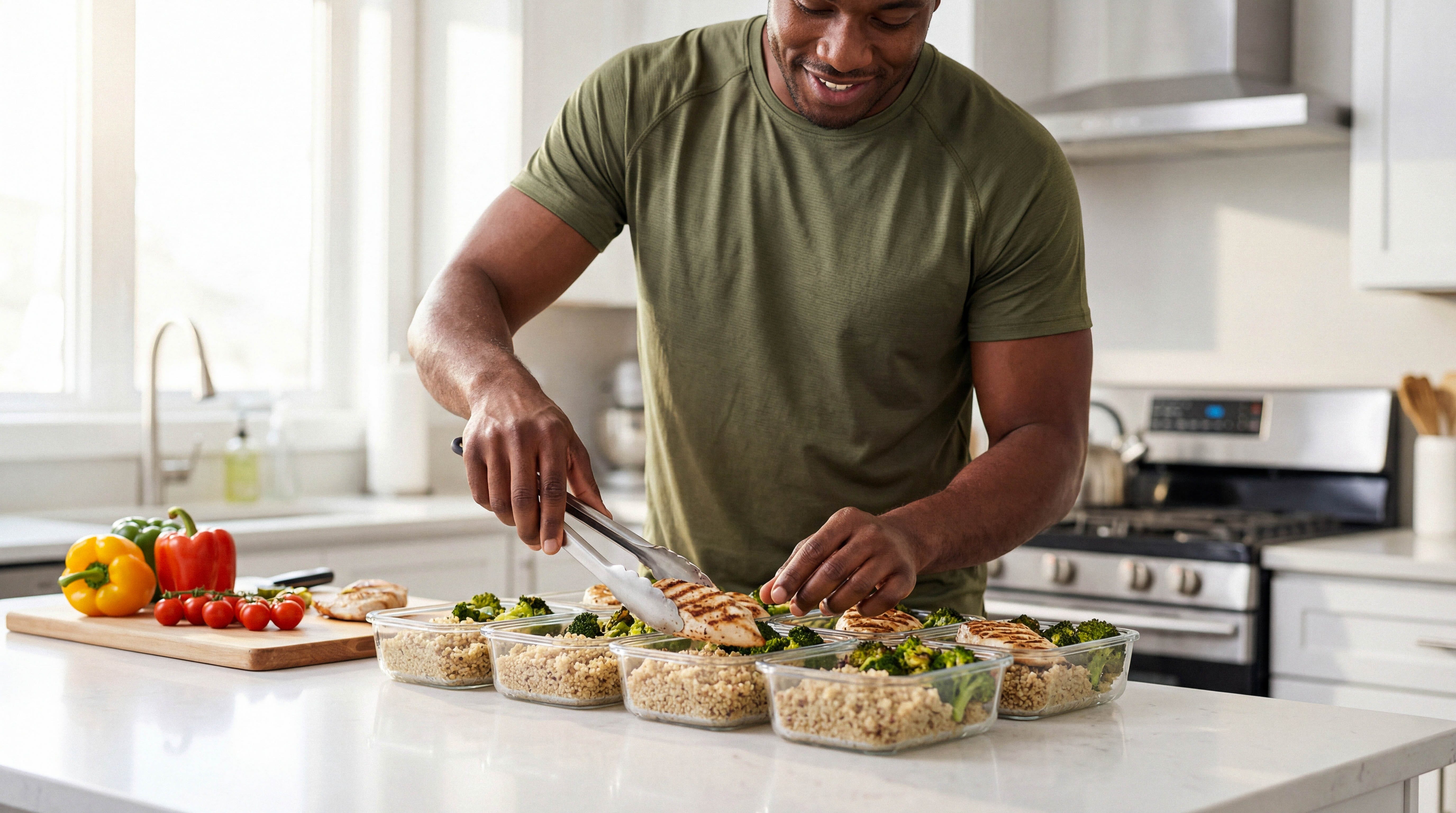
This is the prescription I give every patient at YourEra, though the exact number depends on your size, activity level, and goals. For most adults, aim for somewhere in that 80 to 120-gram range daily. If you’re doing serious strength training or weigh more than 200 pounds, lean toward the higher end.
The challenge is that GLP-1s make eating large amounts of food uncomfortable. You can’t just eat a chicken breast and call it a day. You have to be strategic about hitting your protein targets without feeling sick or overly full.
How to Actually Hit These Numbers
Start your day with protein. A Greek yogurt with berries. Eggs and toast. A protein shake. Get 20 to 30 grams in that first meal, and you’ve set the tone for success. Your brain will handle the appetite suppression better when you’ve already anchored yourself in protein.
With every meal, make protein the centerpiece. Not a side dish. Not an afterthought. A serving of grilled chicken or fish should take up roughly a third of your plate, even when portions are smaller than you’re used to. Because of the satiety from GLP-1s, that smaller amount of protein will feel completely satisfying.
Protein-rich snacks between meals become your secret weapon. String cheese. Hard-boiled eggs. A handful of almonds. A protein bar. Greek yogurt. These aren’t indulgences. They’re strategic tools for hitting your daily targets without needing to force down large meals.
Consider a quality protein powder. Not because you should live on shakes, but because a simple protein shake can get you 25 to 30 grams of protein in 200 calories, something that might feel completely manageable when eating solid food feels overwhelming.
Stay hydrated. Dehydration feels like hunger. Drink water throughout the day, especially before meals. This serves double duty: it helps distinguish real hunger from thirst, and it supports the protein synthesis process your muscles are undergoing.
The Strength Training Component
Protein alone isn’t enough. Your muscles need a signal to build, and that signal comes from resistance training. Aim for strength training two to three times per week. This doesn’t require hours at the gym. Thirty to 45 minutes of focused resistance work is sufficient.
Focus on compound movements: squats, deadlifts, push-ups, rows. These movements recruit large amounts of muscle tissue and create the stimulus your body needs to maintain or build strength while losing fat.
When you combine adequate protein intake with consistent resistance training, something remarkable happens. Your body becomes efficient at a new skill: losing fat while preserving or even building muscle. You don’t just lose weight. You transform how you look and feel.
The Bigger Picture
Here’s what I want you to understand: GLP-1 therapy is a tool, but you’re the one wielding it. The medication removes the biological barriers to healthy behavior. But you have to do the work of eating well, training hard, and building the life you want.
Protein isn’t boring. It’s strategic. It’s the foundation of lasting transformation. When you hit your protein targets and commit to strength training, you’re not just losing weight. You’re investing in your longevity, your metabolism, your strength, your ability to live an active life for decades to come.
This is the philosophy behind everything we do at YourEra. We’re not selling quick weight loss. We’re partnering with you on comprehensive transformation. That starts with protein.
If you want to learn more about how GLP-1s can fit into your health journey, visit YourEra.com for more information.